![Bottle of Christophe Mignon, Champagne ADN de Foudre Chardonnay Brut Nature [2019], NV - Sparkling Wine - Flatiron Wines & Spirits - New York](http://nyc.flatiron-wines.com/cdn/shop/files/Christophe-Mignon-Champagne-ADN-de-Foudre-Chardonnay-Brut-Nature-2019-NV-Sparkling-Wine-Flatiron-Wines-Spirits-New-York_11f221b2.jpg?v=1768511622&width=1500)
Christophe Mignon, Champagne ADN de Foudre Chardonnay Brut Nature [2019], NV is backordered and will ship as soon as it is back in stock.
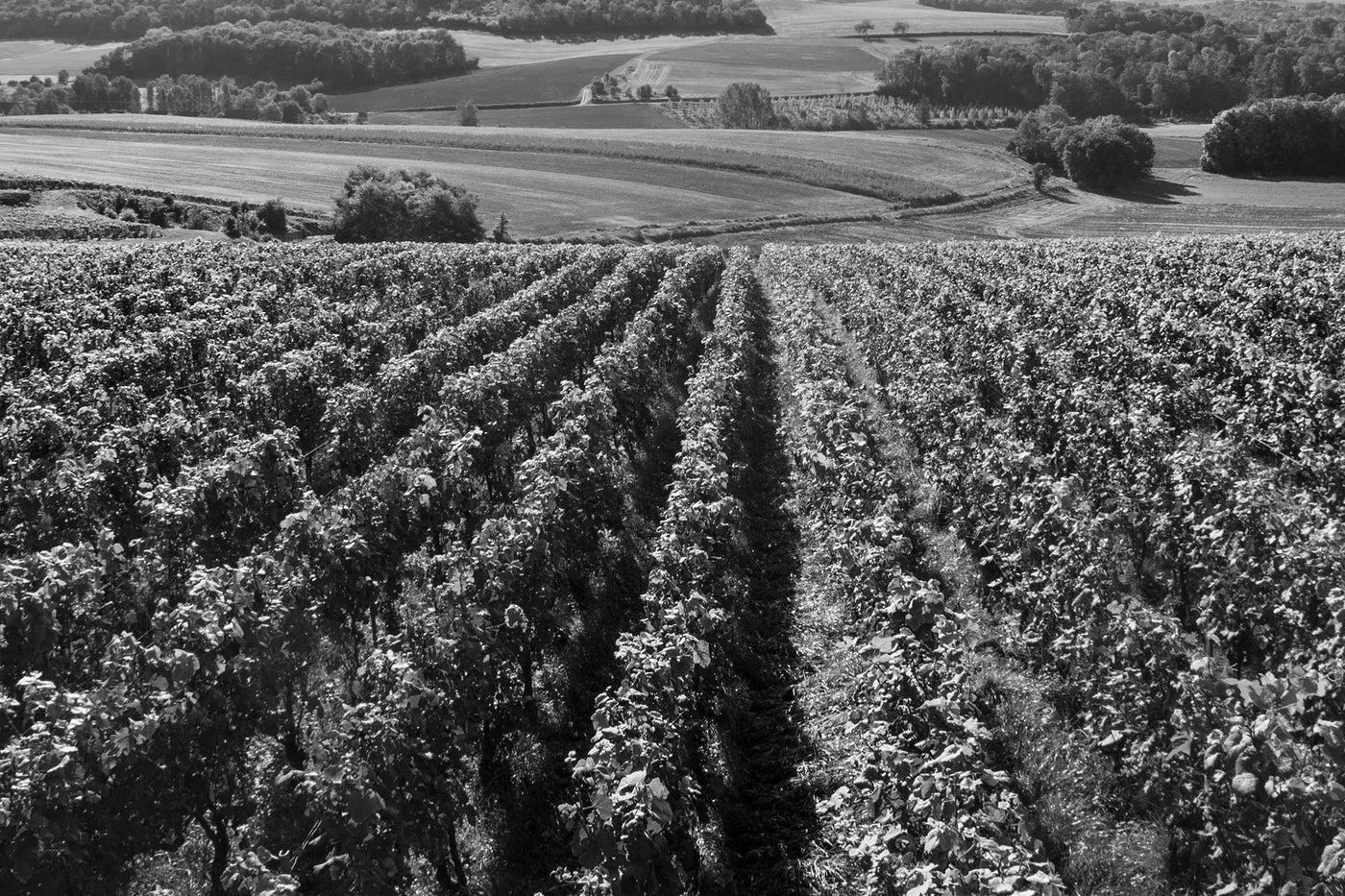
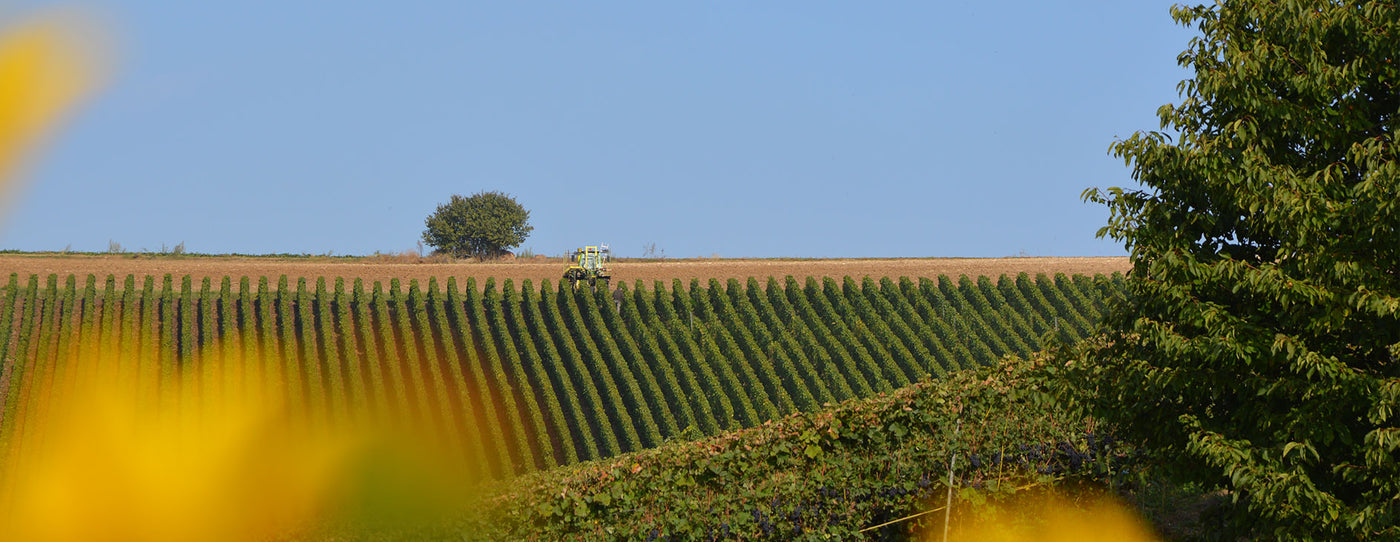
Christophe Mignon’s ADN de Foudre Chardonnay is a rare Blanc de Blancs from his biodynamic plots in Festigny and Le Breuil, Vallée de la Marne. This 2019-based Brut Nature is 100% Chardonnay grown on clay-limestone soils and vinified with Mignon’s lunar-guided, low-intervention methods.
Fermented and aged 12 months in large oak foudres, the wine then spends nearly five years sur lie before disgorgement with zero dosage. This is Mignon’s most precise Chardonnay cuvée—textured, mineral, and sharply expressive of site.
Shipping
Shipping
Every step of the journey is managed to uphold the integrity of each bottle.
- Nationwide Access: Flat-rate shipping available to most U.S. states with delivery in 3-5 business days.
- Temperature-Monitored Shipping: We closely monitor weather conditions and make informed decisions to ensure shipments travel safely, with insulated packaging and refrigerated transport available when required.
- Wine-Specific Protective Packaging: Specialized materials designed to maintain label integrity and prevent breakage during transit.
- Provenance Assured: All wines are maintained in climate-controlled conditions at our shop until the moment of dispatch.
Returns & Exchanges
Returns & Exchanges
We stand behind every bottle we sell.
- Corked wine? Full refund or exchange within 60 days
- Damaged shipment? Contact us within 48 hours
- Storage or quality concerns? We're here to help
Have Questions?
Have Questions?
Our team is here to help.
Hours
Sunday - Thursday: 12 pm - 8 pm
Friday: 11am - 9pm
Saturday: 10am - 9pm
Email: help@flatiron-wines.com
Phone: (212) 477-1315
Extra Brut - Champagne Selections
View all-
![Bottle of Champagne Guiborat, Blanc de Blancs Prisme Extra Brut Grand Cru, NV [base 2019] - Sparkling Wine - Flatiron Wines & Spirits - New York](data:image/svg+xml,%3Csvg%20xmlns='http://www.w3.org/2000/svg'%20viewBox='0%200%201200%202000'%3E%3C/svg%3E)
-
SOLD OUT
-
Gaston Collard, Champagne Dosage Zero, NV
$79.99Unit price -
SOLD OUT
Famille Mousse, Champagne Terre d'Illite Extra Brut, 2020
$94.99Unit price -
SOLD OUT
Pierre Deville, Champagne Verzy Grand Cru Primitif Extra Brut, NV
$74.99Unit price -
SOLD OUT
-
JUST ARRIVED
Jean Vesselle, Champagne Oeil De Perdrix Brut, NV
$64.99Unit price -
JUST ARRIVED
![Bottle of Champagne Guiborat, Blanc de Blancs Prisme Extra Brut Grand Cru, NV [base 2019] - Sparkling Wine - Flatiron Wines & Spirits - New York](http://nyc.flatiron-wines.com/cdn/shop/files/Champagne-Guiborat-Blanc-de-Blancs-Prisme-Extra-Brut-Grand-Cru-NV-base-2019-Sparkling-Wine-Flatiron-Wines-Spirits-New-York_edc027fd.jpg?v=1768493943&width=460)


Product title
- is backordered and will ship as soon as it is back in stock.
Shipping
Shipping
Every step of the journey is managed to uphold the integrity of each bottle.
- Nationwide Access: Flat-rate shipping available to most U.S. states with delivery in 3-5 business days.
- Temperature-Monitored Shipping: We closely monitor weather conditions and make informed decisions to ensure shipments travel safely, with insulated packaging and refrigerated transport available when required.
- Wine-Specific Protective Packaging: Specialized materials designed to maintain label integrity and prevent breakage during transit.
- Provenance Assured: All wines are maintained in climate-controlled conditions at our shop until the moment of dispatch.
Returns & Exchanges
Returns & Exchanges
We stand behind every bottle we sell.
- Corked wine? Full refund or exchange within 60 days
- Damaged shipment? Contact us within 48 hours
- Storage or quality concerns? We're here to help
Have Questions?
Have Questions?
Our team is here to help.
Hours
Sunday - Thursday: 12 pm - 8 pm
Friday: 11am - 9pm
Saturday: 10am - 9pm
Email: help@flatiron-wines.com
Phone: (212) 477-1315