Left Continue shopping
Your Order

You have no items in your cart

NOVEMBER 2025
Verzy: A Grand Cru Portrait in Two Perspectives

This month, we are going to drill down and focus on the unique quality of the north facing Montaigne de Reims grand cru village known as Verzy. This village doesn’t get quite the same attention as south-facing neighbors like Bouzy or Ambonnay, but we think you’ll agree after drinking these wines that it is an excellent – and, as we shall see–very interesting source of deeply mineral and profoundly delicious Champagne.

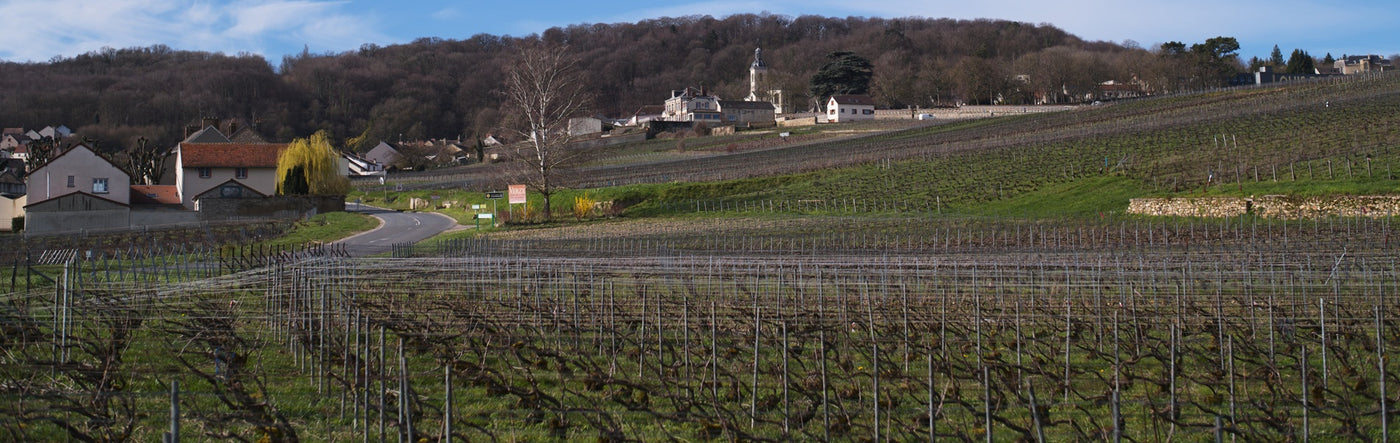
Verzy sits mid-slope on the northern face of the Montagne de Reims, where vineyards are planted primarily on north and east-facing slopes. These cooler north-facing sites produce Pinot Noir and Chardonnay that are elegant, lean and nuanced rather than rich and powerful. It’s quite a different energy than the wines from south-facing Grand Crus like Aÿ or Bouzy. These north-facing slopes are especially advantageous in warm years like 2022 or 2019 – the two base vintages in this month’s edition.

What makes Verzy particularly interesting is its geological diversity. The village has three distinct hillsides: the eastern side toward Villers-Marmery features pure chalk, perfect for Chardonnay; the middle hillside has deeper clay over chalk and silex supporting both varieties equally; and the western side bordering Verzenay has clay-rich soils that produce more powerful Pinot Noir. This range of terroirs within a single Grand Cru is relatively rare in Champagne.

Today we're exploring two producers who call Verzy home, each offering a distinct window into what this unique mountain terroir can achieve.

EXTRA BRUT PICK NO. 1

Our thoughts on this selection

If you want to understand what makes Verzy special, start with this: "The dominant part of the wine is the mineral part," says Sébastien Mouzon. He attributes this directly to Verzy's unique silex-rich soils — a geological signature (silex is known as flint in English) that sets this Grand Cru apart even within the Montagne de Reims, and which is more akin to what you might find in Didier Daguneau’s vineyards in Pouilly-Fumé!

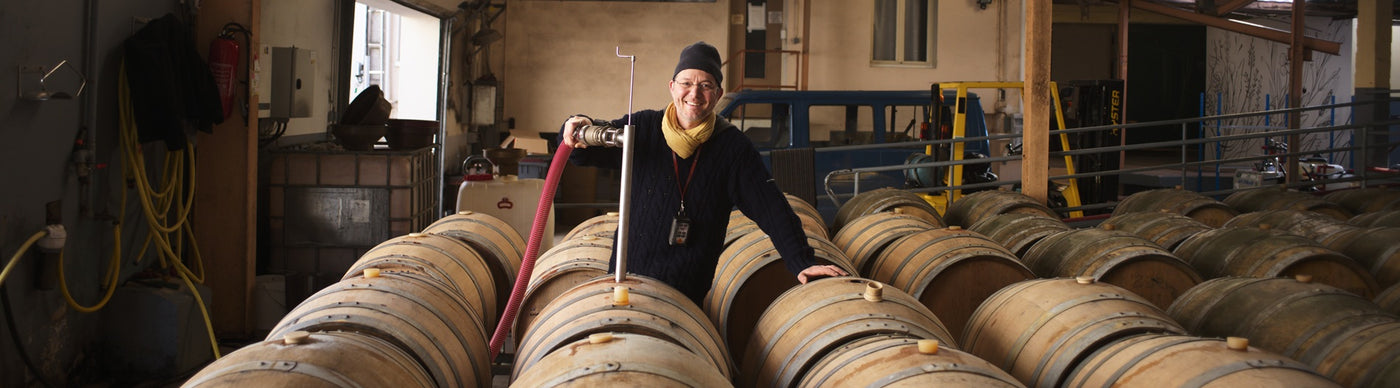
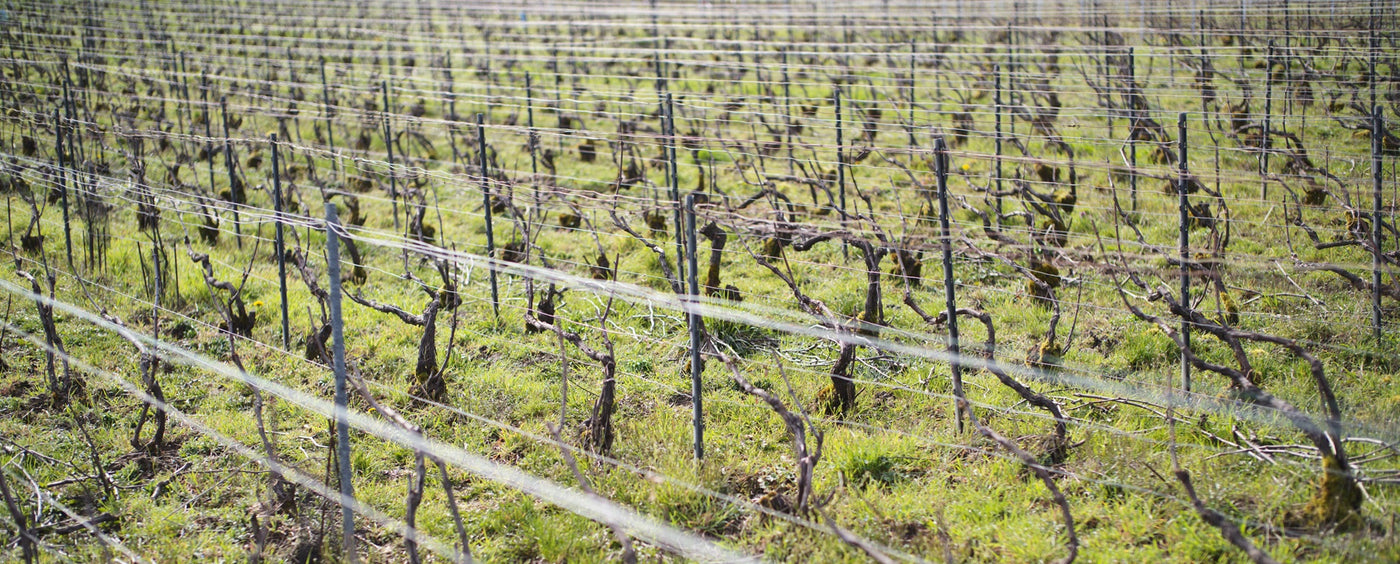
Mouzon knows these soils well. His family has been farming vines here since 1776, and he's the ninth generation to work this land. But when he took over the estate in 2008, he made a decisive break with conventional viticulture, transitioning the entire property to biodynamic farming and earning Demeter certification in 2011. His 8.5 hectares are fragmented across 60 individual parcels that span all three of Verzy's distinct hillsides—the pure chalk to the east, the silex-rich middle slopes, and the clay-heavy sites bordering Verzenay. This gives Mouzon access to the full range of what Verzy can express.

“L'Ascendant” is where that expression gets serious. In case it’s not obvious the name means "ascending," and that’s a reference to the use of a solera system—this bottling is a blend of 60% Pinot Noir and 40% Chardonnay. 50% of the wine is from the stellar 2019 vintage and it’s blended with 50% reserve wines from Mouzon’s Solera: a perpetual comprising all the vintages since 2014. Each year, half of the Solera is taken for this cuvée and then refreshed with wine from the current vintage. Chez Mouzon, everything is fermented naturally, aged in a combination of stainless steel tanks and older oak barrels, and bottled without filtration or fining. After blending, L’Ascendant was aged sur-lattes for four years before disgorgement and is finished without dosage. 

This is a delicious wine, but not in that easy in-your-face sort of way that you might expect from Bouzy or Ambonnay. It's bright and mineral-driven, with the kind of coiled energy and tension that comes from north-facing Grand Cru sites farmed with obsessive attention to soil health and biodiversity. It also shows heady depth and finely-detailed complexity from the older reserve wine. When you pour it, please give it ample time to breathe, and you'll start to taste exactly what Mouzon means when he talks about the power and clarity of Verzy’s unique minerality in his wine. 

EXTRA BRUT PICK NO. 2

Our thoughts on this selection

At just 30 years old, Matthieu Godmé-Guillaume took over his mother Sabine Godmé's family estate in 2019—but he'd already been preparing for this moment. He began his independent project in 2017, carving out a few plots from his father's holdings so he could farm and vinify his own way: organically, without additives, with a focus on his rocks and soils.

Those soils are spread across three villages. The estate covers 5.35 hectares in Verzy, Verzenay and Villers-Marmery—3.50 hectares of Chardonnay and 1.85 hectares of Pinot Noir, all from vines averaging 30 to 40 years old. And VVV? That's the clever shorthand for where these grapes come from: Verzy, Verzenay, and Villers-Marmery. Three villages, each contributing something different. The Pinot Noir (55%) comes from the Grand Cru villages of Verzy and Verzenay, while the Chardonnay (45%) hails from Premier Cru Villers-Marmery—a village many believe deserves Grand Cru status but hasn't received it yet.

This cuvée is all from the fresh, ripe, energetic 2022 vintage, but cannot legally be called a vintage Champagne because it only ages sur-lattes for 15 months as opposed to the required 36 months for the wine to be labeled as a Millésime. For Godmé, the shorter aging gives this wine a lively textural energy and crackling purity of fruit. Short lees-aging like this is becoming more and more popular among progressive Champagne producers in no small part because of the influence of the iconic Cedric Bouchard.

At harvest, the fruit is directly pressed and fermented naturally in neutral French oak barrels.The vin-clair is aged for around 9 months in barrel before bottling, then is aged for 15 months sur-lattes before disgorgement and the addition of just 4 g/l of dosage (Extra Brut).

What will strike you when you drink this wine is just how approachable it is right now. The oak influence is subtle—it adds texture and a gentle richness without masking the bright fruit and chalky minerality that define these northern Montagne de Reims sites. This is “vintage” Champagne you can open tonight and enjoy, though it certainly has the structure to reward a few more years in the cellar. Where Mouzon Leroux asks you to slow down and contemplate the nature and influence of time itself through his Solera, Godmé offers more direct, immediate pleasure without sacrificing depth. These are two different perspectives on the same village, both utterly convincing, and both with that underlying chalky mineral theme.

Together, these two wines tell the story of Verzy and its neighbors: Grand Cru villages where chalk meets varied topography, where north-facing slopes produce wines of elegance and tension, and where a new generation of growers is crafting Champagnes that are doing everything in their power to communicate what this village has to offer. One producer works with solera blending and extended aging to mitigate the character of a specific vintage and bring minerality right to the forefront, the other with a wine that expresses the energy of a single vintage and the influence of barrel fermentation, but both share an obsessive commitment to expressing what makes Verzy special.

On to the next month! Although we now drink Champagne throughout the year, December remains a very important month for the region, and we’ll be sure to reflect that in Extra Brut in a few weeks time!


GROWER CHAMPAGNE

A guide to the best bubbles in the world and what makes them different from the Grandes Marques

Champagne is the world’s most famous sparkling wine. Hailing from the Champagne regions of France, its biggest names are among the biggest names in wine: Moet, Dom Perignon, Veuve Clicquot, Cristal.

But there’s another side to Champagne: a universe of small-scale producers preserving ancient family farming traditions and bottling wines you’ve never heard of.

These are the Grower Champagnes.

We're here to help

Have a burning question or just want to connect with our team of fellow Champagne lovers?